Disney World for First-Timers with Mobility Issues or Disabilities
Let's just get this out of the way up front: planning a Disney trip can feel like solving a Rubik's cube while running a marathon. Add in mobility challenges, and it's easy to think, "Forget it, too hard." But here's the thing. Disney is actually one of the most accommodating places on the planet. They've had to figure this out. You won't be the first person rolling through those gates, and you won't be the last. This isn't about gritting your teeth and bearing it. It's about smart planning so you can actually have fun. Really.
Your Secret Weapon: The DAS Pass (And No, It's Not a Front-of-Line Ticket)
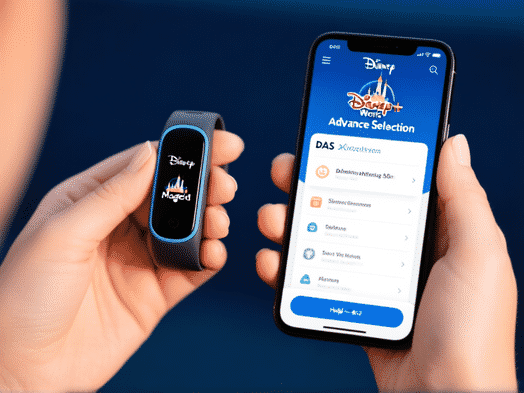
Everyone whispers about the DAS Pass. The Disability Access Service. Let's demystify it, because most people get it wrong. DAS is NOT a skip-the-line pass. Actually, it's a virtual queue for people who can't physically wait in a traditional line. You go to a kiosk, they give you a return time equal to the current standby wait. You go sit in the shade, grab a snack, use a real bathroom. Come back when it's time. It prevents you from standing in a cramped, winding queue for an hour. You still wait, but you do it on your terms. Game changer for cognitive or physical conditions. You can even pre-register via video chat before your trip. Seriously, look into it.
Wheelchairs & Scooters: To Rent or Not to Rent?
Your own chair is almost always best. You know its quirks. But flying with it is a whole other stress. Renting from an off-site company is the pro move. They deliver to your hotel, the scooters have more juice, and it's often cheaper than Disney's in-park rentals. Disney's rentals are first-come, first-served and you can't take them back to your room. Big drawback. If you're on the fence about needing one? Rent it. A park day is 7-10 miles of walking. Burning all your energy on transportation means you have zero left for joy. That's a bad trade.
Attractions: It's Not Just "The Wheelchair Ride"
Most rides have a transfer option. You'll roll into a loaded area, move to a ride vehicle, and a cast member will whisk your chair away to the exit. Some, like the PeopleMover, you can roll right on. Others have these amazing accessible vehicles with wheelchair lockdowns. The key? Use the Disney World app. Filter for "Accessibility" and it tells you EXACTLY what to expect: "Must Transfer from Wheelchair/ECV," "Must be Ambulatory," or "May Remain in Wheelchair/ECV." No nasty surprises. Ask a cast member at the entrance if you're unsure. They want to help you board safely.
The Real Enemy: Crowds, Not Stairs
Here's my biggest piece of advice, and it has nothing to do with Disney's rules: Rope Drop. That means getting to the park for opening. For one golden hour, the pathways are clear. You can breathe. You can roll freely to a major ride without playing bumper cars. The later it gets, the more you'll be navigating a slow-moving, unpredictable human river. It's exhausting for anyone, doubly so on wheels. Plan your big must-dos for the first two hours. Then, when the crowds swell, go see a show, have a long lunch, or head back to the pool. You control the pace.
Little Things That Feel Like Big Wins
Look for the wide accessible turnstiles at park entry. Use the companion restrooms if you have help; they're bigger. Flag down a cast member if you need help navigating a tight space in a shop or food queue. Mobile Order your food on the app—walk (or roll) right up to the pickup window. For parades and fireworks, there are designated viewing areas. Ask. And be blunt with your group about your needs. "I need to sit every 90 minutes" or "This crowd is frying my nerves, let's step over here." A good Disney day is a series of small comforts stacked together. Advocate for yours.